YEAR
2024
CITY
DUBAI
SERVICE
MUSEUM CONCEPT

THE BRIEF
A commissioned concept proposal for transforming the Russian Pavilion at EXPO 2020 Dubai into a permanent cultural destination following the close of the world exhibition. The pavilion — 1,700m² across three floors — had served its original purpose as a national showcase during EXPO. The client brief was to reimagine it as a long-term cultural institution: a space that could attract sustained visitor interest, support ongoing programming, and function as a credible cultural anchor in the Dubai landscape beyond the event context that had given it its initial audience.
MY ROLE
I served as Co-Curator and Co-Creative Director, developing the full concept for the pavilion's transformation from national showcase to permanent cultural platform. I defined the narrative strategy and spatial logic across all three floors — including the thematic differentiation between levels and the connective framework that made them function as a single coherent institution. I led content development and multimedia integration strategy, ensuring that technology served the narrative rather than substituting for it. The concept was developed by Pitch for client consideration.
THE CHALLENGE
Post-EXPO pavilions face a specific and well-documented problem: spaces designed to impress during a world exhibition rarely survive the transition to permanent institutions. The architecture is often spectacular but optimised for dwell times of 20–40 minutes, not the repeated visits and sustained engagement a cultural destination requires. The narrative challenge here was compounded by context: transforming a structure conceived as a national representation exercise into something with genuine cultural substance and independent visitor appeal — without the captive audience of an international exposition to rely on. The concept also needed to work across three distinct floor levels, each requiring its own experiential logic while contributing to a coherent overall narrative.

THE APPROACH
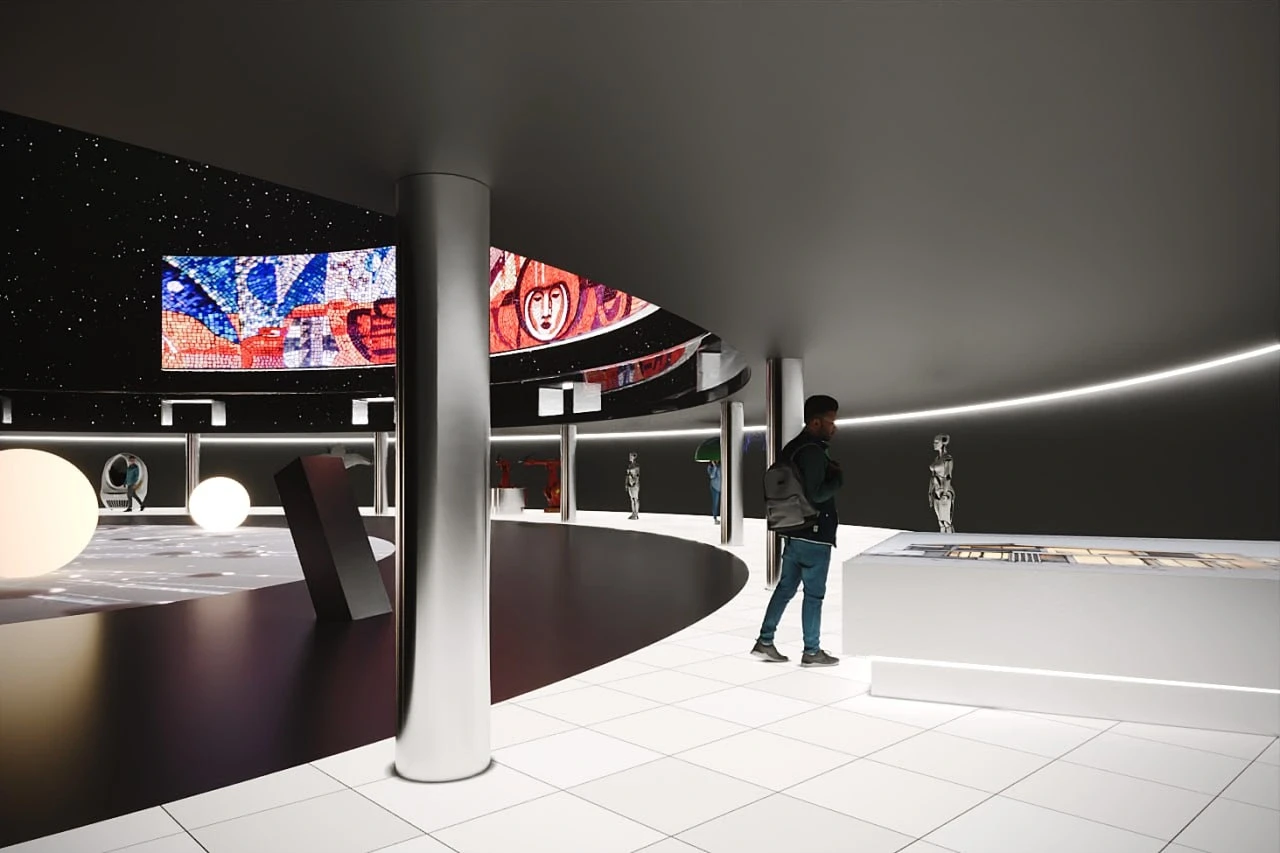
The conceptual move was to shift the pavilion's identity entirely — from national showcase to platform for dialogue. Rather than continuing to present Russia to an international audience, the concept proposed repositioning the space as an environment where science, technology, and human-centred storytelling intersect across cultures and perspectives. This reframing was both practical and strategic: it gave the space a reason to exist beyond its EXPO origins, and it opened the programming to international content and collaboration rather than fixing it to a single national narrative.
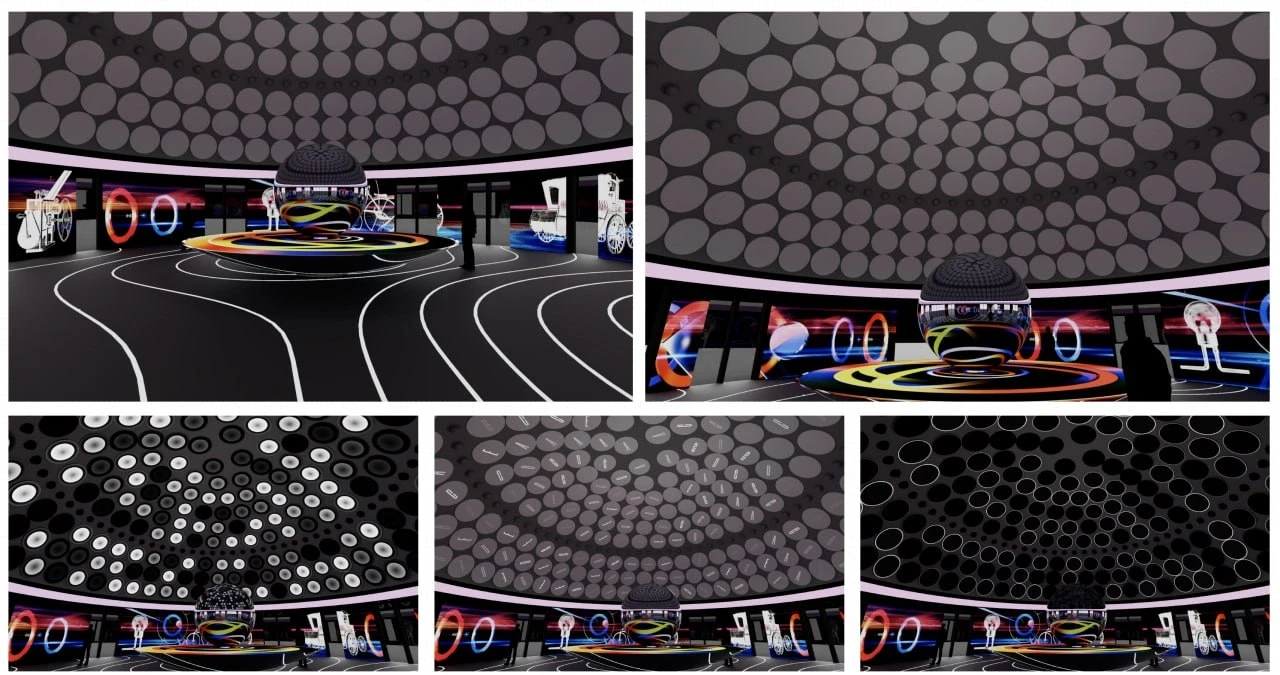
The three floors were structured as three distinct but connected narrative layers: the ground floor as public interface — open, accessible, designed for spontaneous engagement; the middle floor as depth — longer-form content, interactive systems, thematic investigation; the upper floor as perspective — more contemplative, designed for visitors who had moved through the full experience and were ready for reflection.
Multimedia integration was designed to support rapid content updating, allowing the institution to remain current without structural change. The result was a concept for a next-generation national pavilion: not a monument to a moment, but a living platform for ongoing cultural exchange.

THE RESULT
The commissioned concept delivered a complete strategic and experiential framework for the pavilion's transformation — narrative architecture, floor-by-floor visitor journey, content and media strategy, and spatial storytelling principles across 1,700m² and three floors. The proposal demonstrated how a post-EXPO structure could be repositioned as a permanent cultural institution with independent programming logic and sustained visitor appeal. As a commissioned concept, it reflects the type of strategic brief Boris is most frequently engaged for: defining what a cultural space should mean and how it should function before architects and production teams make decisions that are expensive to reverse.