CATEGORY
Museum Practice
DATE

The Museum Is Changing. The Question Is How?
For more than a century, museums derived their authority from collections and scholarship. Their role was to preserve, interpret, and provide access to knowledge through objects and research. Today that model is evolving — not because museums are disappearing, but because they are expanding rapidly and are being fundamentally renegotiated.
According to UNESCO and ICOM estimates, there are now more than 100,000 museums worldwide — more than double the number that existed in the 1970s. At the same time, expectations placed upon these institutions have expanded dramatically. Cities increasingly view museums not only as repositories of heritage, but as drivers of tourism, urban regeneration, and international cultural positioning. The Bilbao effect remains the canonical example: following the opening of the Guggenheim Museum Bilbao in 1997, the city generated billions of euros in economic activity while transforming its global cultural profile.
More recently, we’ve seen the rise of museums designed as experiential cultural infrastructure. What has changed most significantly is not simply the number or scale of museums being built, but the ambition of what museums are expected to achieve.
Three projects I have been involved with Pitch and Sila Sveta teams in illustrate different dimensions of this transformation.
The Experiential Turn: Grand Egyptian Museum
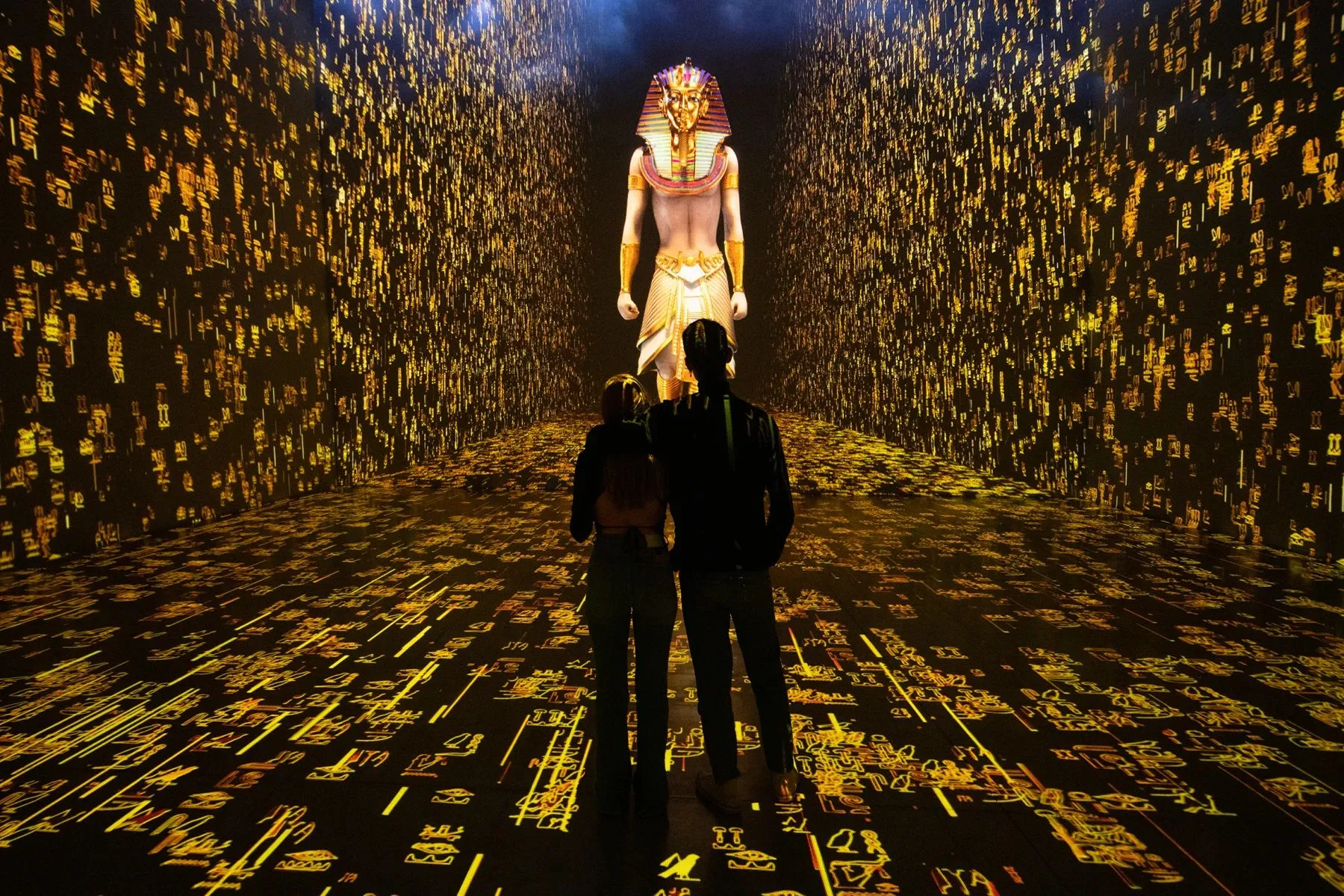
The Grand Egyptian Museum is one of the largest cultural infrastructure projects of the last decade. Our immersive exhibition Tutankhamun presents a 90-minute audiovisual journey into the life of the 18th Dynasty king and the discovery of his tomb, combining large-scale projection, virtual reality, and spatial sound into a continuous narrative environment.
The challenge was not technical. It was conceptual. How do you create an experience that adds meaning to objects of extraordinary historical significance without overwhelming or replacing them?
The technology serves the narrative. The narrative serves the collection. That sequence matters.
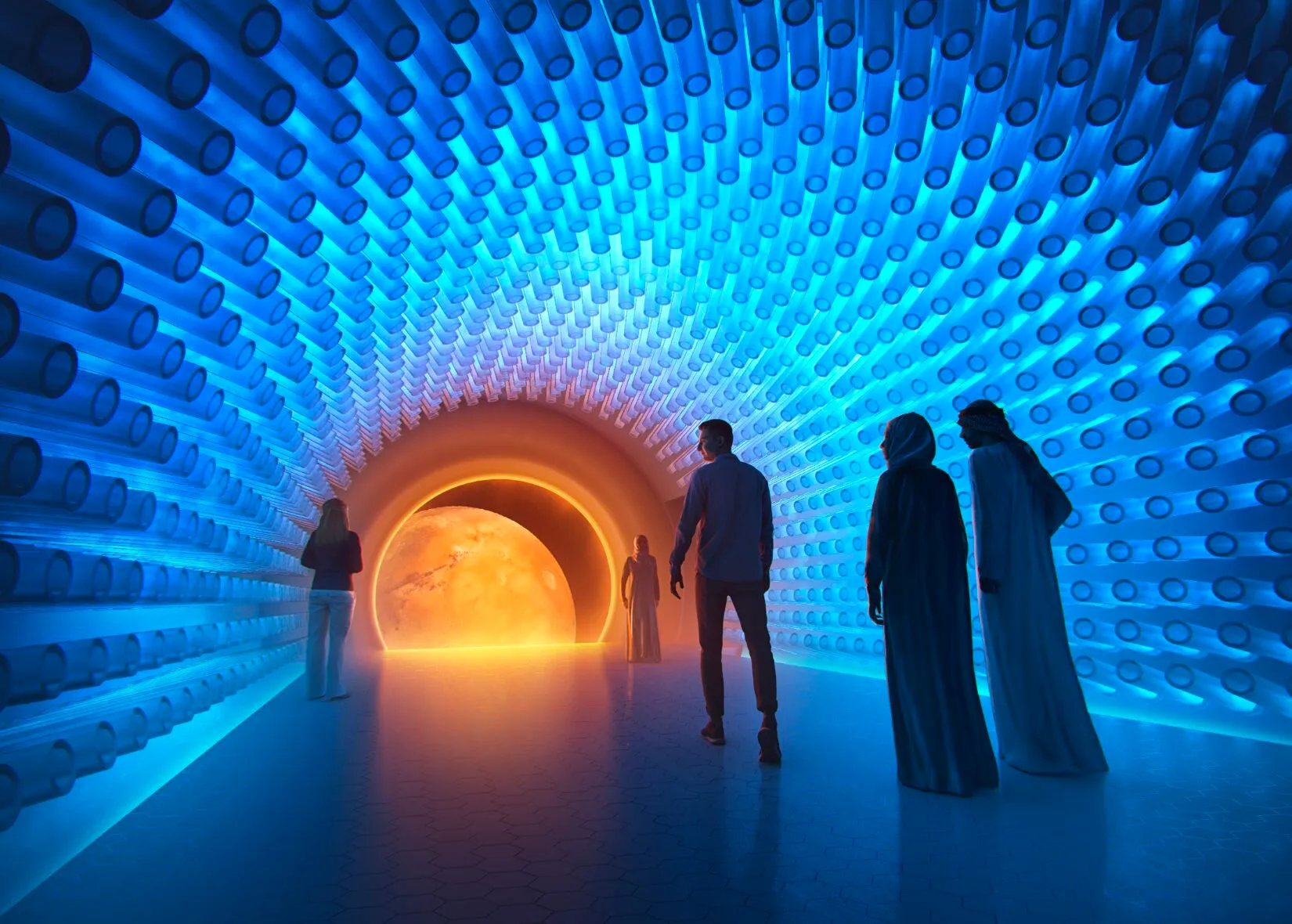
Museum of the Future, Dubai: The Hybrid Institution
The Museum of the Future occupies a unique position at the intersection of museum, innovation platform, and media landmark. For a creative proposal addressing the re-exposition of several galleries, we developed an immersive approach combining scenography, gamification, art, and advanced multimedia technologies to make speculative futures feel tangible and inhabitable.
The project raised a question that increasingly confronts institutions investing in experiential environments: at what point does immersion become spectacle, and spectacle become distraction?
There is no universal answer. It is a judgment call made during the conceptual phase of a project — long before production begins, and long before changing direction becomes difficult or prohibitively expensive.
Center of Islamic Civilization, Tashkent: Monument and Media
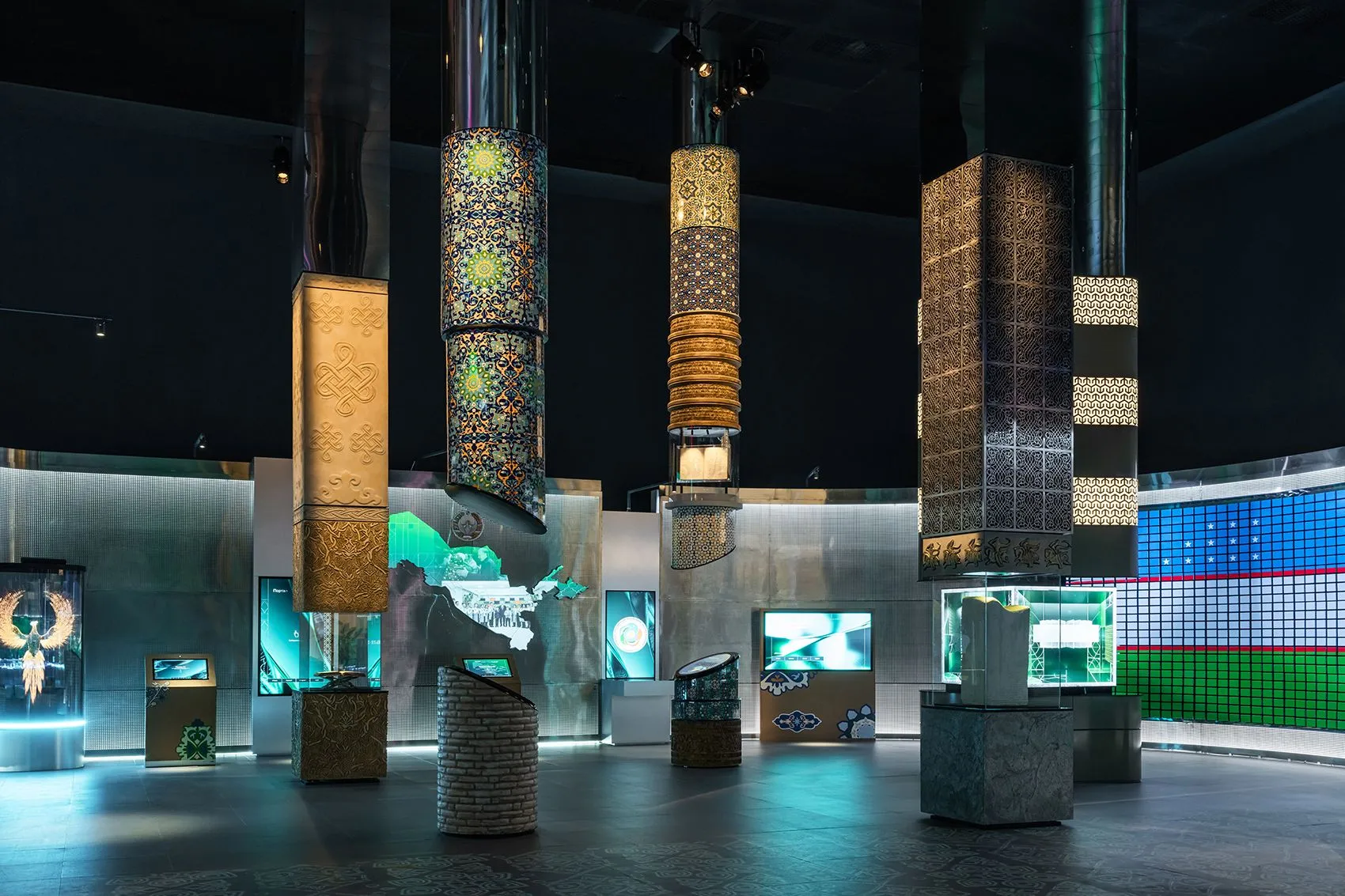
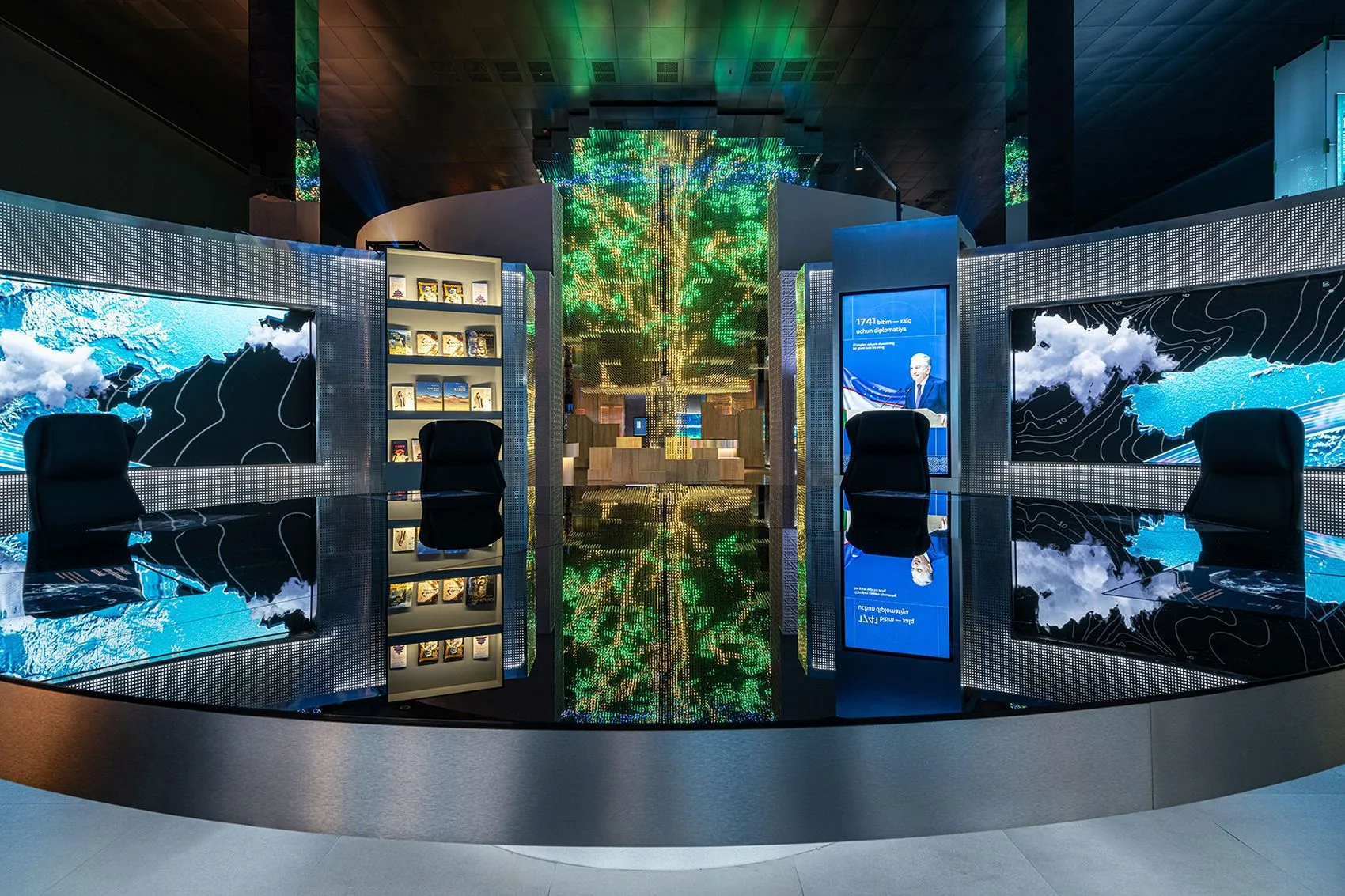
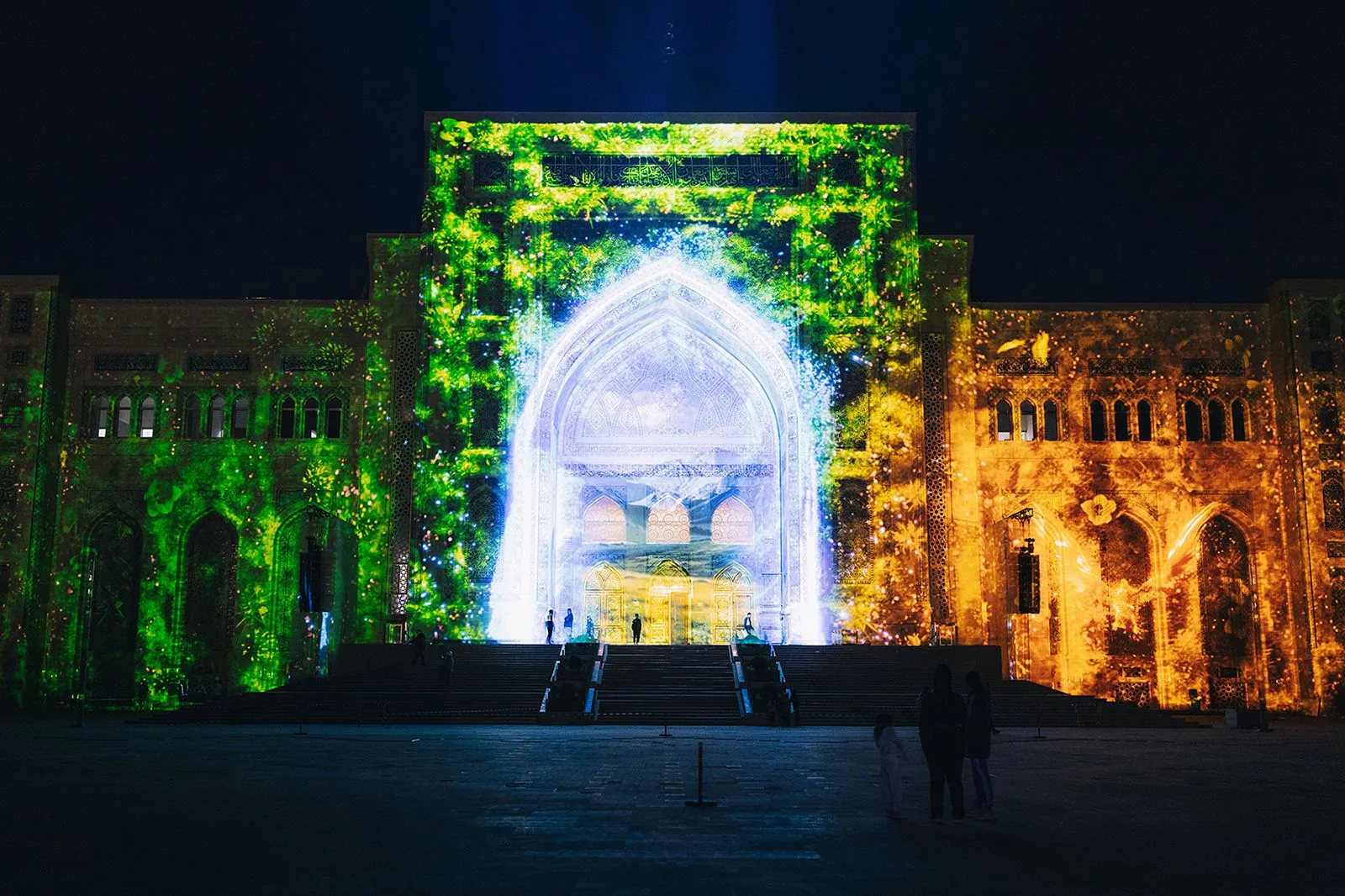
At the Center of Islamic Civilization in Tashkent, visitors encounter one of the most important artifacts of Islamic heritage: the Samarkand Kufic Quran, among the oldest surviving Quranic manuscripts in the world.
Our contribution included a permanent façade mapping show and interactive multimedia environments for the Third Renaissance Hall. Yet the challenge was not to compete with the collection, but to complement it.
The monumental architecture already carried much of the emotional weight of the experience. The role of media was to extend the narrative potential of the exhibition — offering visitors additional pathways into the material that objects alone could not always provide.
The Real Question
Cities expect museums to strengthen cultural identity and stimulate tourism. Funders increasingly seek visibility and measurable impact. Visitors often look for participation, immersion, and emotional resonance alongside education. Museums are therefore being asked to fulfill more functions than ever before.
The question is no longer whether museums should evolve. They already are. The real question is how far this transformation should go. Should museums become immersive environments competing with entertainment? Or should they reinforce their role as spaces for reflection, knowledge, and critical inquiry?
In practice, the most compelling projects often occupy a position somewhere between these two poles. The most compelling projects I have been part of sit somewhere in between — combining rigorous research with spatial storytelling, architecture, and media interventions. They recognize that emotional engagement and intellectual depth are not mutually exclusive.
The challenge is not technology, but turning knowledge into experience without losing intellectual integrity.
Ultimately, this is not a production problem. It is a conceptual one. It is solved — or failed — long before the first projector is installed or the first interactive screen is switched on.